"The Solution is Right Under Our Feet"
Restoring land and hope through nature’s own resilience
Given space and time, nature can heal itself. That principle drives Farmer Managed Natural Regeneration (FMNR), a low-cost, highly effective way to restore degraded land.
Who we are
FONAR is a Ghanaian environmental NGO dedicated to promoting, scaling up and modernising FMNR. We equip farmers and local communities to regrow trees naturally from stumps and roots, bringing back healthy soil and delivering more food, fodder, firewood and income. The result is stronger livelihoods, a more resilient climate and communities who own and protect their environment.
How we work
We combine education, advocacy, capacity building and community mobilisation. Every programme is co-designed with local people and partners, blending traditional knowledge with modern practice so that solutions are culturally relevant, sustainable and effective.
Why it matters
Ghana’s forests, savannah woodlands and farmlands face growing pressure from human activity and environmental change, leading to soil erosion, land degradation and loss of tree cover. This threatens biodiversity and the livelihoods of the communities who depend on these landscapes.
FMNR offers a practical answer. It rapidly rehabilitates degraded land, improves soil fertility, boosts crop yields, protects water resources and helps tackle climate change, all at low cost.
Our Mission
To create a forum for action learning to preserve and restore the productivity of degraded landscapes through natural regeneration for sustainable livelihoods.
Our Values
Service excellence with integrity
Our Vision
A leading environmental restoration organization inspiring hope in communities and individuals to take care of the environment for food security, resilient livelihoods and communities.
Our Areas of Work
Community Mobilisation
Education and Awareness
Capacity building and Capability Development
Policy Dialogue and Advocacy
Our Impact – Beyond Measure
The impact of work in promoting FMNR and sustainable land management practices is beyond measure. We have significantly improved environmental health, food security, household income, and community resilience to climate change in our intervention areas.
The community-led and inclusive nature of our work ensure social inclusion and women empowerment. Thus, leading to heightened sense of well-being, increased confidence and a restored sense of hope for people and nature
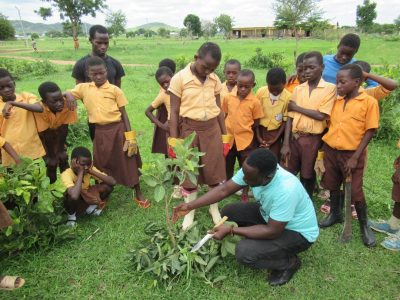
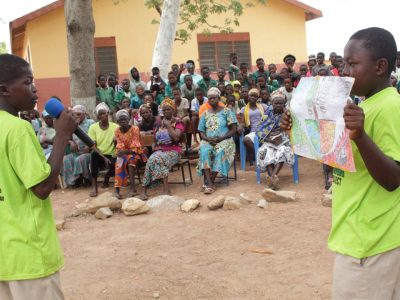
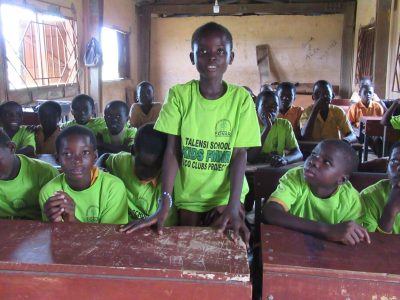
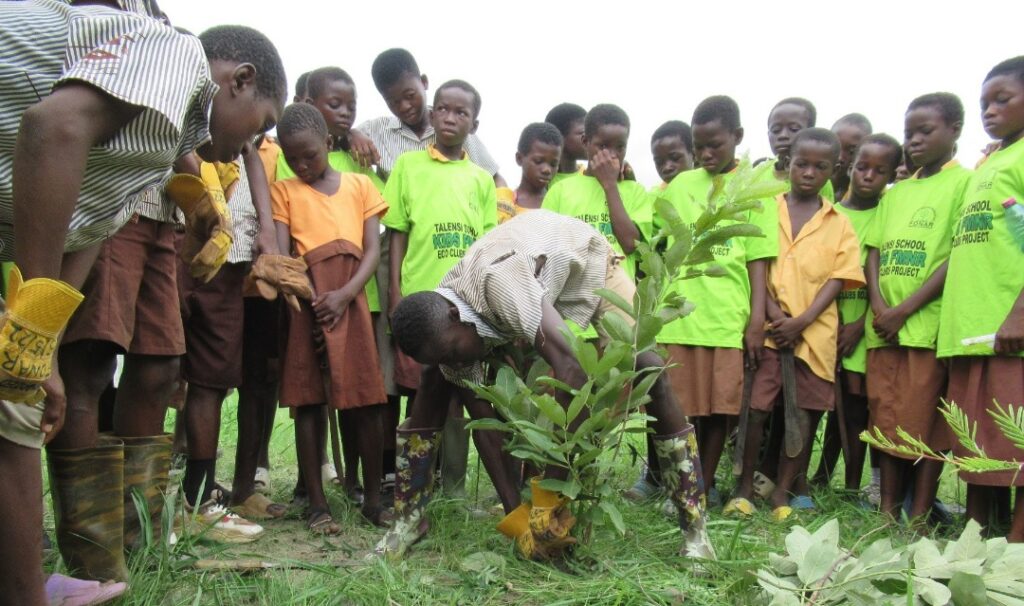
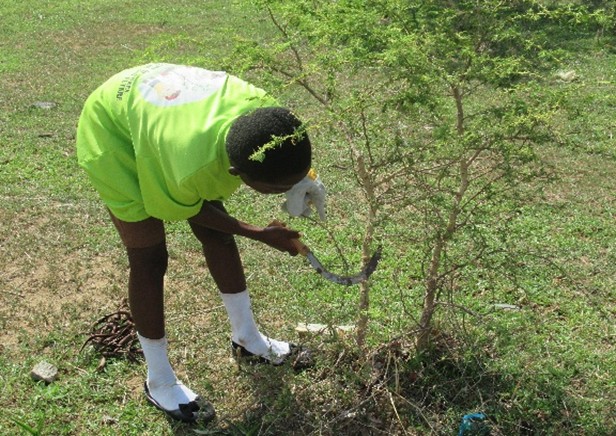
Empowering children and young people through our school kids FMNR Eco-clubs is fostering confidence, aspiration and environmental stewardship among the next generation.
Highlights
School Kids FMNR Eco-club Programme
This intervention started in August 2022 as a two-year pilot project, involving 15 primary schools in Talensi District of Northern Ghana. Following a successful implementation of the pilot phase, FONAR and its core funding partner – Awaken Trees, redesigned the project into a long-term programme. We have expanded coverage of the programme to 10 more rural community basic schools in Talensi District under a new project with funding from Heidehof Foundation and Awaken Trees.
- 900+ children reached directly, who have become FMNR knowledge-bearers, advocates and land restoration messengers in their communities.
- 14,000+ community members, school children and teachers reached with bushfire awareness and preparedness sessions.
- Closer relationships fostered among children, teachers and community stakeholders, helping to build friendships, teamwork and trust around FMNR implementation.
- Strengthened collaboration among key stakeholders.
Highlights
Nabdam Farmer Managed Natural Regeneration for Women’s Empowerment and Livelihoods Project (FMNR4WELIP)
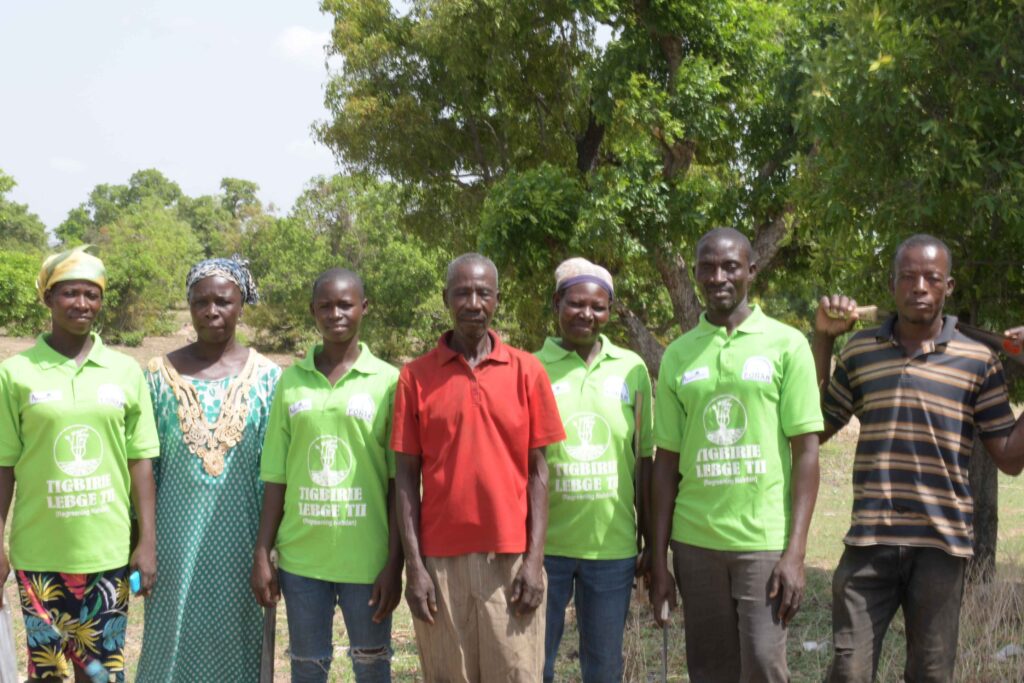
The project, which began in February 2023, promotes FMNR uptake in two rural farming communities. In addition to promoting a few viable complementary livelihood activities targeting vulnerable female farmers. The project adopted the Lead Farmer (LF) approach for FMNR extension service delivery. The LF concept is community-led and recognises the skills of local farmers for promoting effective ‘horizontal’ learning, knowledge and skills transfer.
- 100+ people are involved in FMNR and related livelihoods in two communities
- 64+hectares of degraded farmlands restored through FMNR.
- 32 FMNR champions trained and are educating other farmers.
- Annual bushfires reduced in the target communities in last two years
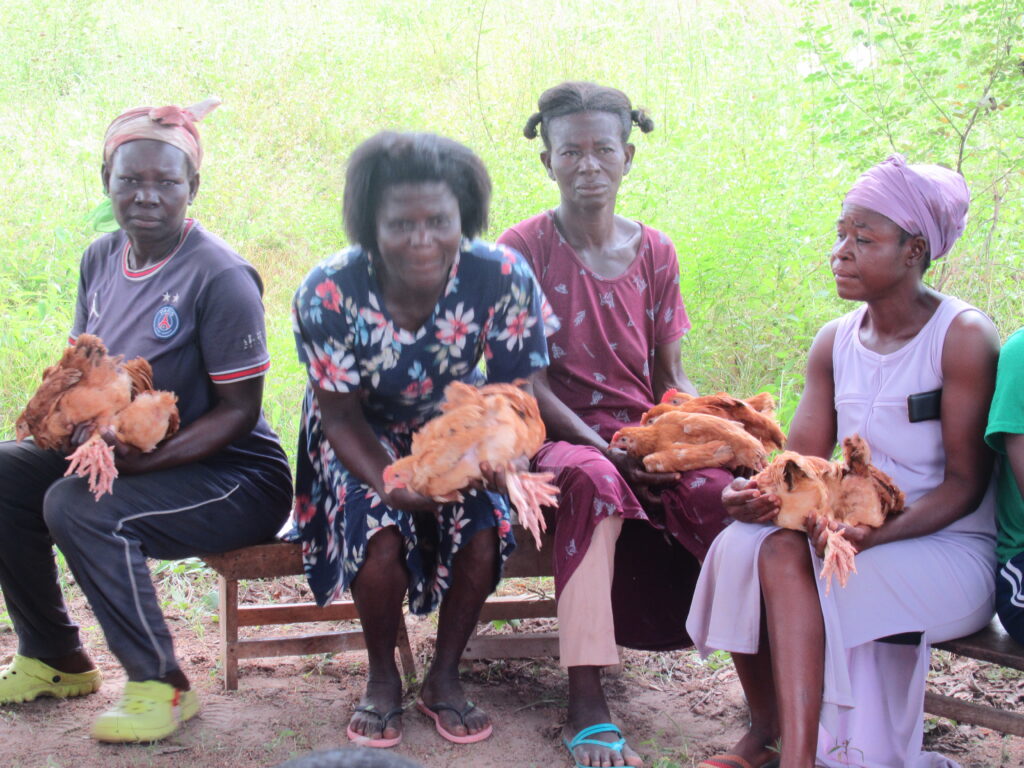
- 49 vulnerable women and other marginalised people supported with livelihoods
- Women’s representation on the FMNR Lead Farmer Groups has increased.
Our Solutions
FONAR promotes the adoption and scaling up of Farmer Managed Natural Regeneration (FMNR) as a simple and low-cost climate smart agroforestry technique for agricultural landscape restoration in Ghana’s semi-dry Northern Savannah Regions. Rural small scale farmers in northern Ghana are particularly vulnerable to the impacts of land degradation and climate change.
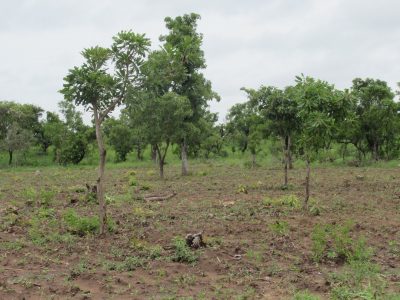
FMNR is a quick, low cost and easily replicable method of restoring and improving agricultural, forested and pasture lands for improved livelihoods and biodiversity conservation.
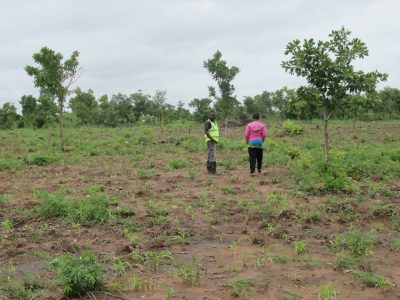
FMNR is a farmer and community-led systematic regrowth of existing native trees and shrubs. It can be applied wherever there are living tree stumps with the ability to coppice (re-sprout) or seeds in the soil that will germinate. Integrated into cropping systems and grazing areas, FMNR supports improved soil fertility, reduced erosion, increased biodiversity and access to essential resources like timber, firewood, fodder and wild foods.
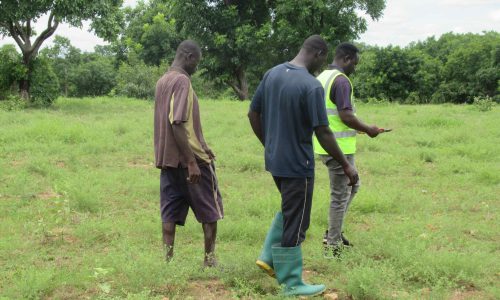
The FMNR technique involves four basic steps: (1) survey the land and find, (2) select stems to regenerate, (3) prune and manage, and (4) grow and utilise.
01/
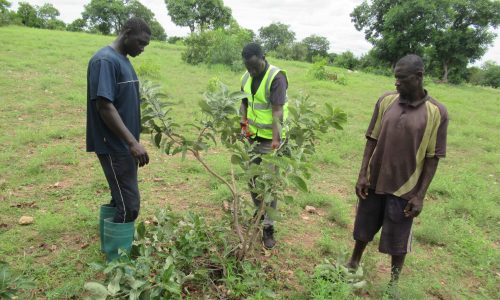
Observing The Land
Advocate for FMNR recognition and scaling up in the design of climate-smart agroforestry and NRM policy measures.
02/
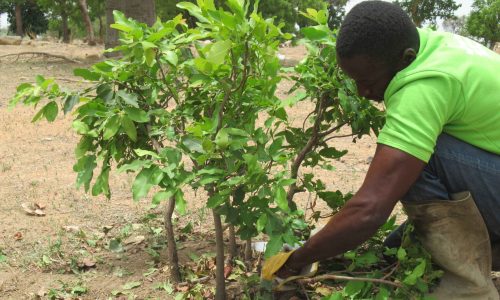
Selecting Stumps or Trees
Numbers and types of trees can vary from person to person – the decision depends on your own individual needs.
03/
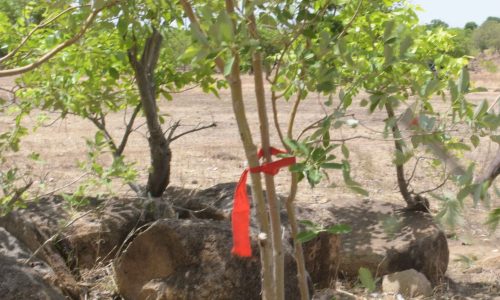
Pruning
To stimulate new growth, cut away all shoots except three to five of the stronge ones.
04/
Protect & Care
A small red ribbon signals, that the desired shoots should not be removed. Prune new branches every two to six months.
Where We Work
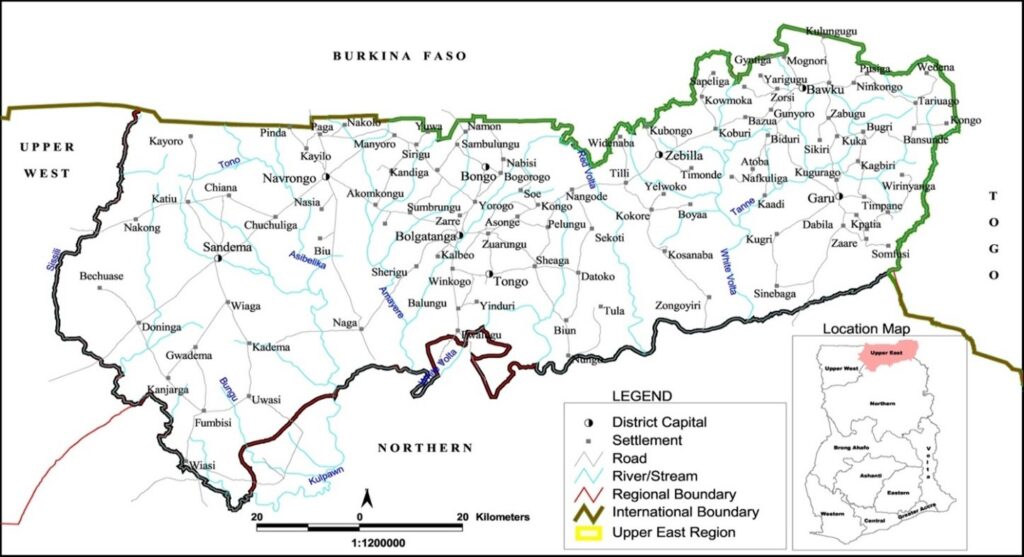
FONAR currently implements projects in the semi-arid Upper East Region (UER) of Ghana. The Region is lies predominantly in the Sudan Savanna agro-ecological zone of Northeastern Ghana and administratively divided into 15 District Assemblies (Local Government Authority Areas). The Region covers an estimated land area of 8,842 km2, of which 80% suffers from moderate to severe land degradation. The Sudan Savanna climatic zone has distinct dry and wet (unimodal rainfall) seasons with peak rainfall in September. Annual rainfall ranges between 600 and 1200 mm, and virtually all the rains are received within 4-5 months. The UER had a total population of 1.3 million people in 2021, with an annual growth rate of 2.0 percent1. The average population density of the region is 147.2 people/km2, as compared to the national average population density of 139.5 people/km2.
Almost 80% of the region’s population is rural with many people living in dispersed farming settlements where more than four in every 10 people are poor. Rainfed subsistence farming is the main occupation of most rural people, who primarily cultivate cereals and grain legumes. The major crops grown in the Region are sorghum, millet, maize, rice, groundnut and cowpea. Rapid environmental degradation due to negative land clearing practices, overgrazing, annual bushfires and rapid population growth are the main causes of land degradation in the Region. The livelihoods of rural smallholder farmers are thus threatened by increasing agricultural drought due to climate change and loss of soil fertility. To reverse the trend, FONAR works with local communities and its partners to promote the uptake of Farmer Managed Natural Regeneration (FMNR), related soil and water conservation measures and livelihood improvement interventions for re-greening degraded agricultural landscapes.